
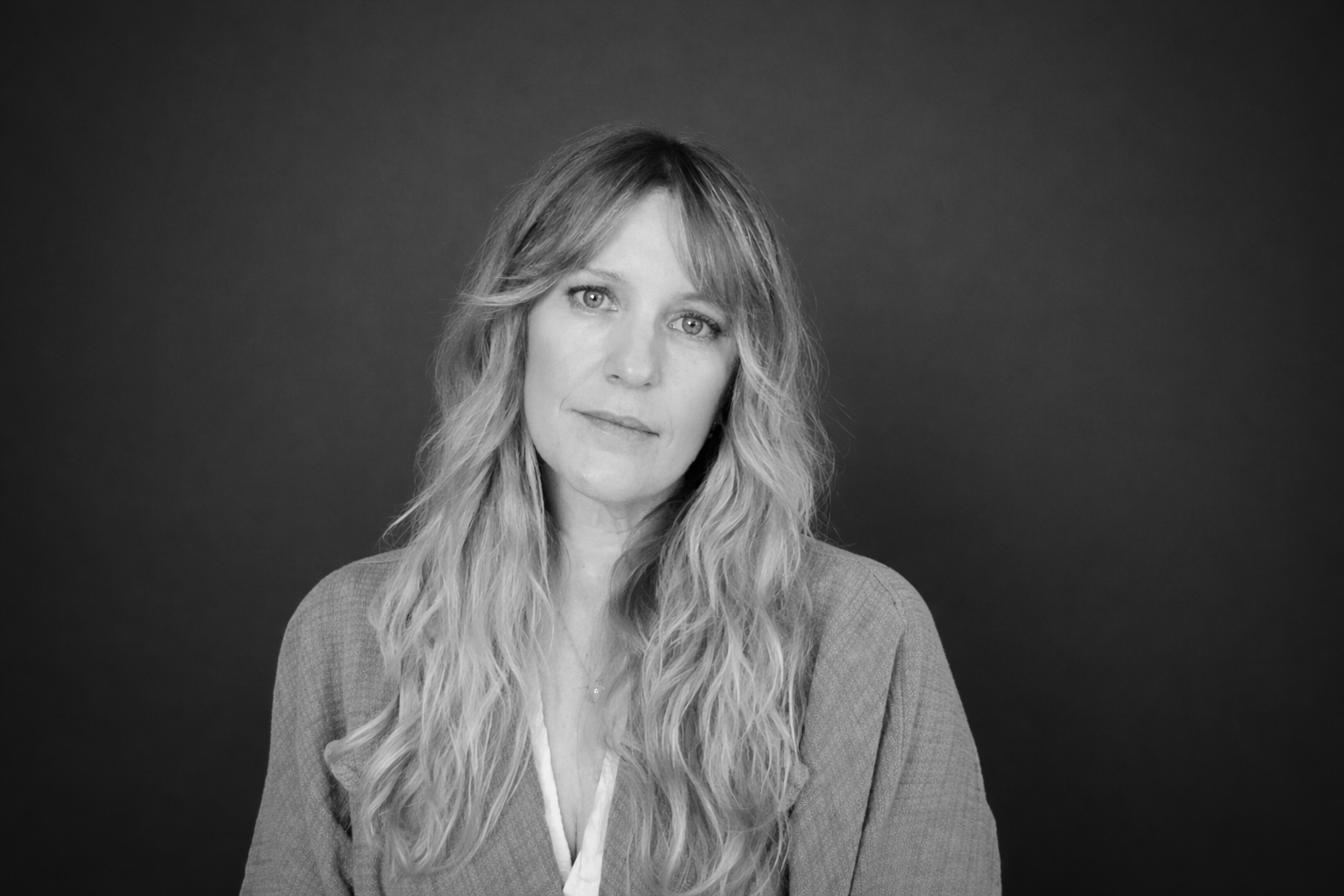
Holly Williamsen, LCSW
Licensed Clinical Social Worker
I have been a therapist for over 20 years. The first decade of my work was spent with children and families in marginalized communities in Los Angeles dealing with multiple stressors and trauma. This deepened my lifelong commitment and passion for social justice. Over time, I transitioned to working with adults and couples to assist them to find ways to feel healthy and fulfilled in their relationship with themselves and others.
Why I Do This Work
I believe healing doesn’t end with the individual — it extends outward, shaping the way we relate, parent, connect, and care for one another.
When we tend to our own wounds with compassion, we interrupt cycles of harm. We become more available to our children, our partners, our communities. Nervous systems soften. Conversations deepen. Futures change.
My work is rooted in the hope that by supporting individual healing — especially in the body, where so much of our history is carried — we can help build the foundations for healthier families and more connected, compassionate communities.
This is slow, courageous work. It’s about unlearning old patterns and making space for something new. And it begins, always, with meeting ourselves exactly where we are. My passion is to support healing that ripples outward.
I am a parent to my daughter and a partner to my husband, we enjoy spending time outdoors, traveling and being with friends and our community.
Certifications
EMDR
Nonviolent Communication
Somatic Experiencing
Psychedelic-Assisted Therapy (ketamine, psilocybin and MDMA)
Trauma-Informed Therapy
Dialectical Behavior Therapy
University of Southern California
Master’s of Social Work 2004
Licenses
Colorado – 09928418, California – LCS 24179
Areas of Specialty
- Trauma
- Relationship and Communication Challenges
- Transitions and Life Stage Changes
- Psychedelic-Assisted Therapy and Integration
- Creative Block
About EMDR:
EMDR (Eye Movement Desensitization and Reprocessing) is a research-backed psychotherapy approach designed to help people heal from trauma and other distressing life experiences. It uses guided bilateral stimulation—such as eye movements or tapping—to help the brain reprocess painful memories. Over time, this process reduces the emotional charge of those memories and replaces negative beliefs with more empowering ones. Many people find that EMDR helps them feel less stuck in habitual responses and allows them to be more able to live in the present.
About Somatic Experiencing:
“Trauma is not what happens to us, but what we hold inside in the absence of an empathetic witness.”
— Peter Levine
Somatic Experiencing® (SE) is a gentle, body-based approach to healing trauma and chronic stress. Rather than analyzing what happened or retelling the story, SE helps you tune into the subtle language of your body — the sensations, movements, and impulses that often hold the imprint of past overwhelm.
From a nondual and compassion-based perspective, SE is not about fixing or changing who you are — it’s about creating space for the body to unwind what it no longer needs to carry. Trauma isn’t just in the event; it lives in the nervous system, in unfinished fight, flight, or freeze responses. SE offers a slow, respectful path to completion and restoration.
About Psychedelic-Assisted Therapy:
Psychedelic-assisted therapy (PAT) is a supportive process that combines the transformative potential of psychedelic medicine with the safety and guidance of a therapeutic relationship. In this space, non-ordinary states of consciousness can help us access deep layers of emotion, memory, and insight — often beyond what talk therapy alone can reach.
From a somatic and trauma-informed perspective, this work is about meeting what arises — in the body, in the psyche, in the heart — with curiosity and compassion. By staying present and grounded, we create the conditions for stuck trauma, unconscious patterns, and even core identity structures to loosen and begin to integrate.
A nondual lens can also guide this work, helping clients experience the spaciousness of awareness itself — a place beyond the story of self, where healing doesn’t come from effort, but from resting in what’s already whole.
This often includes gently connecting with different parts of the self — aspects that may have been protecting, reacting, or holding pain — and creating space for them to soften, integrate, and feel supported.
Engaging in PAT allows for safety, presence and integration while with the medicine. My role is to support you before, during (in legal contexts), and after your journey through:
-
Preparation — cultivating clarity, intention, and somatic tools for navigating the experience
-
Guided support — to create safety and provide a therapeutic context
-
Integration — weaving insights into daily life through body-based, mindful, and compassionate practices
This work is grounded, not rushed — and always attuned to your nervous system, your history, and your inner wisdom which leads the pace.
About Parts Work:
Parts work is a therapeutic approach based on the understanding that we are not just one unified self, but a collection of inner “parts” — each with its own voice, feeling, or role. These parts often develop in response to life experiences, especially overwhelming or traumatic ones, and they carry unique perspectives, needs, and emotions.
Some parts may try to protect us by staying hypervigilant, people-pleasing, shutting down, or striving for control. Others may hold pain, fear, or shame that was too much to feel at the time. Often, we also have deeply wise, intuitive parts that carry resilience, creativity, and calm.
Working with parts is about compassion, not control. Rather than trying to get rid of parts or change them, we bring gentle curiosity and compassionate attention to each one. Through this process, parts that were once in conflict can begin to soften, release burdens, and work together in more integrated ways.
In my approach, we don’t just talk about the parts — we also feel them in the body, noticing how they show up through sensation, posture, breath, or movement. This allows for deep healing that’s not just cognitive, but embodied. We also hold the possibility that while these parts arise within us, they are not the totality of who we are. Beyond the parts is a deeper awareness — spacious, kind, and unshaken — that can hold all of them with care.
About Nonviolent Communication:
Nonviolent Communication (NVC) is a powerful approach to communication that supports honesty, empathy, and connection — even in moments of tension or conflict. NVC helps us shift from blame and reactivity to curiosity and clarity by focusing on what we’re truly feeling and needing.
Rather than trying to be “nice” or avoid conflict, NVC invites us to express ourselves in ways that are authentic, respectful, and rooted in compassion — and to listen to others with the same intention. This approach can be especially healing for those with trauma histories or attachment wounds, as it offers a structure for being heard without judgment and for speaking without shame.
About Imago Therapy:
Imago Relationship Therapy helps couples understand how early childhood experiences shape the way we show up in our adult relationships. Often, we unconsciously seek out partners who trigger old wounds — not to re-create pain, but in the hope of healing it.
Imago provides a structured, compassionate way to explore these patterns together. Through guided dialogue, couples learn to move from blame and reactivity toward empathy, curiosity, and deeper connection. Rather than seeing your partner as the problem, you begin to see them — and yourself — with more understanding and care.
About My Other Work:
In addition to my clinical practice, I am the developer of Secure Again™, a structured, time-bound couples experience offered by application.
More information is available at secureagain.co.